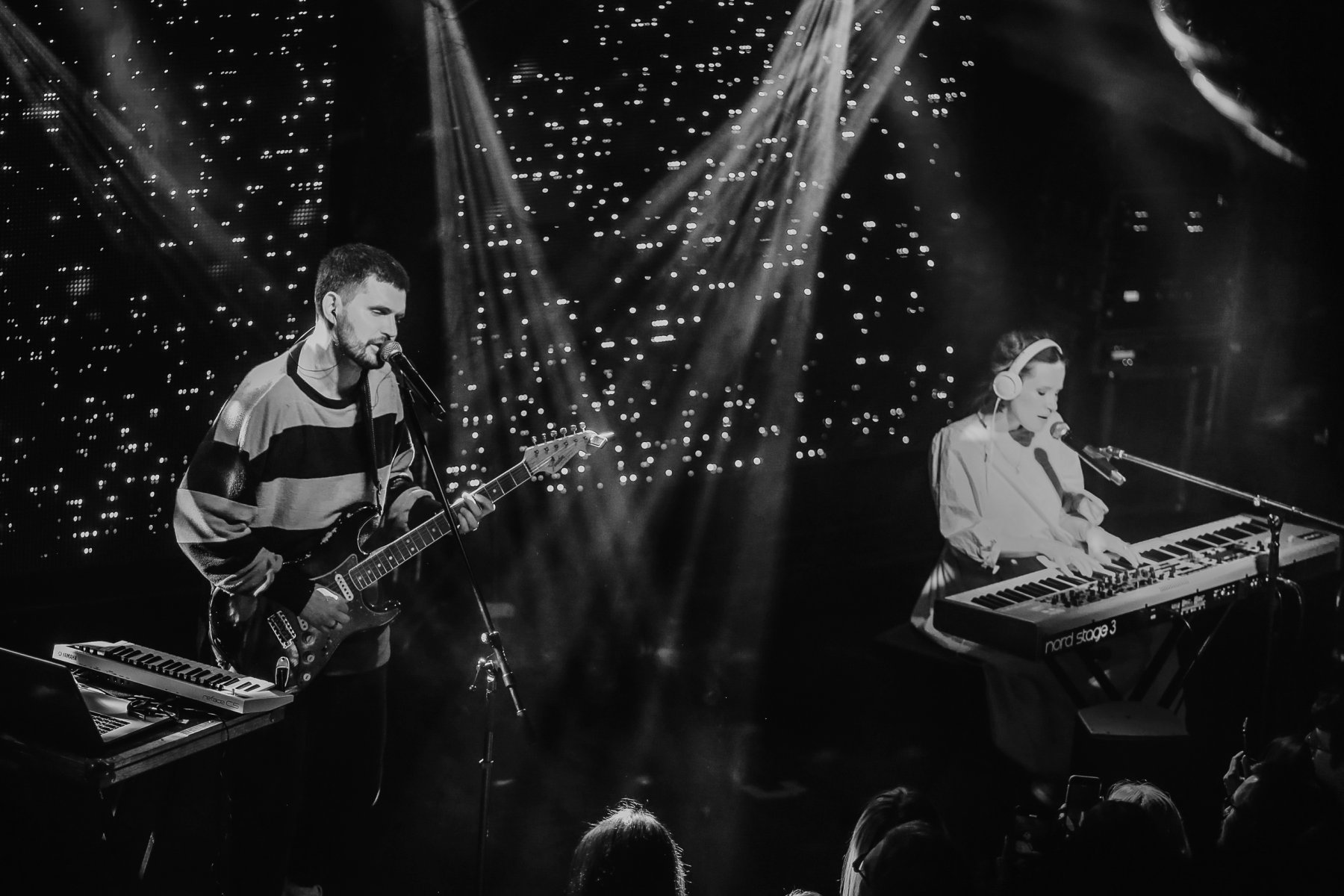
Noize MC - Big Interview for the Polish Portal noizz.pl
noizz.pl
INTERVIEW
Yes, I’m Russian.
Noize MC - Big Interview for the Polish Portal noizz.pl

Media about lifestyle, Poland
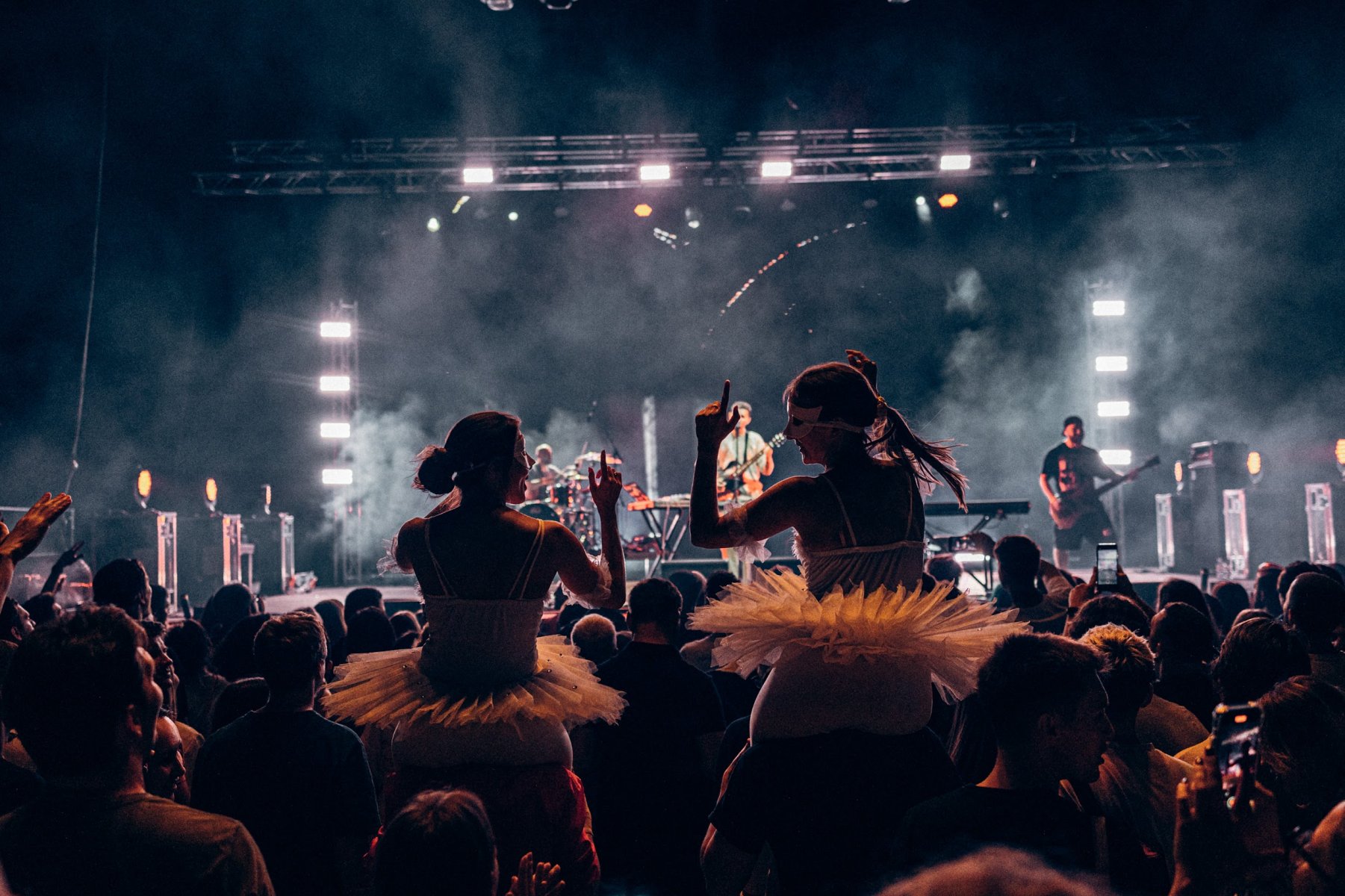
He started by singing protest songs on the streets of Moscow, directly criticizing Russia's invasion of Crimea in 2014, and in 2022, already a mainstream star, he organized a European charity tour to benefit Ukrainian war victims. We asked Noize MC about his rebellious career, his attitude towards his origins, and how difficult it is to be a representative of a nation that often evokes extremely negative emotions.
Noizz.pl
Recently, after spending 19 months in custody, Alexandra Skochilenko was sentenced to 7 years in prison for changing prices in stores using anti-war leaflets that disseminated information about Russia's attacks on the civilian population in Ukraine. This is not very optimistic news for Russian anti-government activists. Do you think this will make you more cautious in criticizing the authorities or, on the contrary?
Noize MC
The overwhelming majority of Russians still do not see themselves as active participants in the political process. I do not see serious reasons for quick changes in this aspect for now. But this is not the result of their personal choice — here we are dealing with the influence of the bitter Soviet legacy with its rich repressive traditions, as well as the consistent dismantling of civil society carried out by the Russian authorities over the past 10-15 years.
On one hand, we have the historical experience of the Great Terror of the 1930s and punitive psychiatry towards dissidents in later Soviet times. On the other hand, we can refer to the obvious tightening of screws in recent decades. The message from the authorities is crystal clear: "Don't even try to protest. You will achieve nothing but severe punishment. No one will help you, and you won't help anyone with your senseless activism."
It is not surprising that indifference and apathy dominate modern Russian society. Most residents of the country simply try to stay close to their kitchens and far from their superiors, spending all their resources on subjective experiences, often related to material problems and health issues (both personal and those of their loved ones).
As for Alexandra Skochilenko, I consider her a hero, and for me, the symbolic significance of her protest is comparable to the demonstration on Red Square in 1968. She made a harsh choice between personal well-being and social-political justice. I urge everyone to support political prisoners like her: at least write them letters, post on social media, and spread awareness!
On one hand, we have the historical experience of the Great Terror of the 1930s and punitive psychiatry towards dissidents in later Soviet times. On the other hand, we can refer to the obvious tightening of screws in recent decades. The message from the authorities is crystal clear: "Don't even try to protest. You will achieve nothing but severe punishment. No one will help you, and you won't help anyone with your senseless activism."
It is not surprising that indifference and apathy dominate modern Russian society. Most residents of the country simply try to stay close to their kitchens and far from their superiors, spending all their resources on subjective experiences, often related to material problems and health issues (both personal and those of their loved ones).
As for Alexandra Skochilenko, I consider her a hero, and for me, the symbolic significance of her protest is comparable to the demonstration on Red Square in 1968. She made a harsh choice between personal well-being and social-political justice. I urge everyone to support political prisoners like her: at least write them letters, post on social media, and spread awareness!
Noizz.pl
You yourself have come into conflict with the authorities — you participated in anti-government demonstrations and dedicated a song to the "victims of the information war" during Russia's invasion of Crimea in 2014. Life didn't become easier because of this...
Noize MC
My relationship with Russian governmental structures throughout my career has been aggressive and complicated.
My band and I started as street musicians, and our first performances were impromptu concerts in the open air on Arbat — a legendary pedestrian street in Moscow known for its diverse cultural life: artists selling their paintings, breakdancers, mimes, stand-up comedians, cover bands, book fairs, and so on.
We were all poor students from small towns living in dormitories, and we openly expressed our dissatisfaction with how tough life was for us. My lyrics and freestyles always contained a serious dose of socio-political criticism aimed at corrupt police, politicians, lying media, and Nazis, so it wasn't long before a patrol car stopped right in front of us, interrupting our performance and taking me to the police station for the first time.
Being arrested or beaten for rap, unpleasant for some "powerful figures," was not something exotic for me since I turned 18. However, after my group became truly famous and part of the mainstream, the stakes only got higher.
In 2010, I spent ten days in jail in Volgograd, where I was taken straight from the stage of the main square, where I was performing as the headliner of a street culture festival in front of thousands of people and dedicated a hard-hitting freestyle to the local police who were trying to interrupt our performance.
I won't list all such incidents; this is just a small illustration of the context in which I faced the events of 2014. Another thing is that I grew up in Belgorod, a city right by the border, just 80 km from Kharkiv, Ukraine's second-largest city. My grandfather is Ukrainian; he taught me the Ukrainian alphabet and reading rules when I was 10 years old, and I have always been fascinated by the neighboring culture and language. My group was popular in Ukraine, and in 2014, Ukrainian border stamps filled more than half of the pages in my passport.
In 2014, I was the last person capable of believing that some "Ukrainian Nazis" were having Russian children for breakfast, so from the very beginning of this endless nightmare, I raised my middle finger as high as possible. But after that summer performance in Lviv, I discovered a completely new level of political persecution. Sixty percent of our concerts planned for the fall of 2014 were canceled by the authorities. It seemed they were trying to show me every possible way to sabotage a concert!
Our performance in Samara lasted about 20 minutes before a special forces officer, armed with an automatic weapon, along with his colleague in plain clothes and a service dog, suddenly stormed the stage, stopping the concert and announcing that they were starting a "massive anti-drug operation" at this venue.
As we approached the train station in Krasnoyarsk, we saw seven police officers running at full speed down the platform, trying to catch our carriage. When the train stopped, they immediately boarded, checked all our documents, and reported our arrival to their superiors — that day we couldn't even leave the hotel because the police had occupied all floors of the building and the reception desk, preventing any member of our team from leaving their room until it was too late for the performance.
Sometimes we managed to overcome these difficulties and perform at some unexpected venue, as it happened in Omsk: I announced the new location on my social media just a couple of hours before the performance when the soundcheck was completed. This failure drove the cops crazy and forced them to change their tactics.
In Ukhta, those bastards suddenly declared anti-terrorist drills on the very day we arrived to play and canceled all entertainment events in the entire city.
In Irkutsk, they preemptively visited all possible concert venues and threatened the owners with revoking their alcohol sales licenses or bringing more serious troubles to their businesses. As a result, the Irkutsk scheme became the most common method of pressure.
They hoped that their constant blackmail would instill fear among industry representatives across the country, and that we would gain a reputation as branded troublemakers not worth dealing with. But they underestimated us, our fanbase, and our partners.
In Krasnodar, we postponed the concert three times: local authorities sealed off several clubs one after another for various fabricated reasons using specially initiated court orders. Finally, in 2015, I had to perform in a semi-abandoned circus, but even there, the authorities came and cut off the electricity during the first song! So I took an ordinary acoustic guitar and sang my most popular songs while walking around the edge of the circus ring, completely unplugged, and the audience was singing along so loudly that our promoter's team had to bring in a gasoline generator to restart the sound system.
It seemed like we would never return to our usual concert practices. Then the Russian propaganda machine shifted its focus to the conflict in Syria. It was like switching TV channels, as if the drama you were just watching had ceased to exist and was immediately replaced by another. We were free from persecution for almost six years.
The same shit happened again in 2021 after my protest against Navalny's arrest: dozens (I’m not exaggerating — they think I’m Al Capone!) of police cars blocking access to concert venues; threats and blackmail directed at promoters; sports arenas refusing us performances after signing contracts and giving obviously false explanations, etc.
By September 2021, I realized I was fed up with this crap, and my emigration was only a matter of time. I am a father of two children, and I didn’t want to raise my kids in such a country.
My band and I started as street musicians, and our first performances were impromptu concerts in the open air on Arbat — a legendary pedestrian street in Moscow known for its diverse cultural life: artists selling their paintings, breakdancers, mimes, stand-up comedians, cover bands, book fairs, and so on.
We were all poor students from small towns living in dormitories, and we openly expressed our dissatisfaction with how tough life was for us. My lyrics and freestyles always contained a serious dose of socio-political criticism aimed at corrupt police, politicians, lying media, and Nazis, so it wasn't long before a patrol car stopped right in front of us, interrupting our performance and taking me to the police station for the first time.
Being arrested or beaten for rap, unpleasant for some "powerful figures," was not something exotic for me since I turned 18. However, after my group became truly famous and part of the mainstream, the stakes only got higher.
In 2010, I spent ten days in jail in Volgograd, where I was taken straight from the stage of the main square, where I was performing as the headliner of a street culture festival in front of thousands of people and dedicated a hard-hitting freestyle to the local police who were trying to interrupt our performance.
I won't list all such incidents; this is just a small illustration of the context in which I faced the events of 2014. Another thing is that I grew up in Belgorod, a city right by the border, just 80 km from Kharkiv, Ukraine's second-largest city. My grandfather is Ukrainian; he taught me the Ukrainian alphabet and reading rules when I was 10 years old, and I have always been fascinated by the neighboring culture and language. My group was popular in Ukraine, and in 2014, Ukrainian border stamps filled more than half of the pages in my passport.
In 2014, I was the last person capable of believing that some "Ukrainian Nazis" were having Russian children for breakfast, so from the very beginning of this endless nightmare, I raised my middle finger as high as possible. But after that summer performance in Lviv, I discovered a completely new level of political persecution. Sixty percent of our concerts planned for the fall of 2014 were canceled by the authorities. It seemed they were trying to show me every possible way to sabotage a concert!
Our performance in Samara lasted about 20 minutes before a special forces officer, armed with an automatic weapon, along with his colleague in plain clothes and a service dog, suddenly stormed the stage, stopping the concert and announcing that they were starting a "massive anti-drug operation" at this venue.
As we approached the train station in Krasnoyarsk, we saw seven police officers running at full speed down the platform, trying to catch our carriage. When the train stopped, they immediately boarded, checked all our documents, and reported our arrival to their superiors — that day we couldn't even leave the hotel because the police had occupied all floors of the building and the reception desk, preventing any member of our team from leaving their room until it was too late for the performance.
Sometimes we managed to overcome these difficulties and perform at some unexpected venue, as it happened in Omsk: I announced the new location on my social media just a couple of hours before the performance when the soundcheck was completed. This failure drove the cops crazy and forced them to change their tactics.
In Ukhta, those bastards suddenly declared anti-terrorist drills on the very day we arrived to play and canceled all entertainment events in the entire city.
In Irkutsk, they preemptively visited all possible concert venues and threatened the owners with revoking their alcohol sales licenses or bringing more serious troubles to their businesses. As a result, the Irkutsk scheme became the most common method of pressure.
They hoped that their constant blackmail would instill fear among industry representatives across the country, and that we would gain a reputation as branded troublemakers not worth dealing with. But they underestimated us, our fanbase, and our partners.
In Krasnodar, we postponed the concert three times: local authorities sealed off several clubs one after another for various fabricated reasons using specially initiated court orders. Finally, in 2015, I had to perform in a semi-abandoned circus, but even there, the authorities came and cut off the electricity during the first song! So I took an ordinary acoustic guitar and sang my most popular songs while walking around the edge of the circus ring, completely unplugged, and the audience was singing along so loudly that our promoter's team had to bring in a gasoline generator to restart the sound system.
It seemed like we would never return to our usual concert practices. Then the Russian propaganda machine shifted its focus to the conflict in Syria. It was like switching TV channels, as if the drama you were just watching had ceased to exist and was immediately replaced by another. We were free from persecution for almost six years.
The same shit happened again in 2021 after my protest against Navalny's arrest: dozens (I’m not exaggerating — they think I’m Al Capone!) of police cars blocking access to concert venues; threats and blackmail directed at promoters; sports arenas refusing us performances after signing contracts and giving obviously false explanations, etc.
By September 2021, I realized I was fed up with this crap, and my emigration was only a matter of time. I am a father of two children, and I didn’t want to raise my kids in such a country.
Noizz.pl
Soon, another serious argument for leaving arose – Russia attacked Ukraine.
Noize MC
On February 11, 2022, my family and I had just returned to Moscow from Mexico, where we had spent almost two months by that point. In December 2021, we had to leave Russia because the head of the Investigative Committee, Alexander Bastrykin, personally initiated an investigation into the lyrics of my songs for extremism.
This news was widely discussed in the press, and the most tragicomic aspect of it was that it all started after someone’s sarcastic post on social media, which was a clear parody of the accusations against nonconformist artists that had recently been made by various crazy ultra-patriotic organizations and individual zealous pro-government activists. No one cared that it was a joke — an official warning about the start of the investigation appeared on the official website of the Investigative Committee the very next day after the post was published.
Our lawyer told us that such investigations usually take about 40 days and suggested that we leave the country for at least that period. The Lithuanian human rights organization Freedom House offered us national visas for escape. However, at that time we could not enter the EU due to coronavirus restrictions, so we had to choose a country that was accessible for long-term stays for Russian citizens under our circumstances. Both of our children continued to study online at a Russian school, although it was very difficult due to the significant time difference.
During our stay in Mexico, my wife and I decided that we needed to leave Russia for good. In January 2022, I submitted documents for a talent visa to the U.S., which allows all family members of the applicant to obtain green cards. The response took a long time to arrive, and I had a performance scheduled in Yekaterinburg on February 13. So, although it was quite a risky plan, we returned to Russia.
The FSB canceled my concert in Yekaterinburg. This was a signal that the state's persecution of my band had reached a new level because Yekaterinburg remained one of the few Russian cities where we could still perform until that moment — even after I supported Alexei Navalny and the Belarusian protests.
This was a time when the situation around Ukraine began to deteriorate rapidly. My wife and I decided that in the event of a full-scale war, we wouldn't waste time arguing but would take only the essentials and cross the border as quickly as possible. However, we thought we still had time. We hoped that the children could finish the school year at home.
Around February 20, 2022, I felt that the end was near. On February 23, we released a concert video for "The Hundred-Year War," filmed at our last concert in Moscow in November 2021. This song is from my latest album "Exit to the City," and somehow it became a detailed forecast of what was about to happen. It’s a horrifying aspect of poetry: sometimes it can contain predictions that you never intended to include. I wrote a song about militarism and imperial discontent. I wrote a song about full-scale war in Ukraine even before it began.
Early in the morning on the 24th, I received a text from my cousin in Belgorod, my hometown right by the Ukrainian border: "Rockets are flying into Kharkiv from here." A damn nightmare. I called all my Ukrainian friends, and what they told me was simply heartbreaking. Too much pain to cope with.
I made a sharp and candid post on Instagram condemning the war, with a video shot by my colleague — a Ukrainian director — which he made for my old anti-war song "It’s Great on Mars" (a sci-fi track about how a Martian civilization supposedly went extinct after a nuclear war unleashed on their planet).
I was planning to go to an anti-war demonstration, but my wife begged me not to do it because I had seriously injured my right arm in Mexico, and if I were arrested, I could lose it altogether since I needed daily dressings and certain medications from the hospital.
I had no illusions. I had no time to think and wait. I couldn’t keep my mouth shut, so the choice was clear — either go to jail or leave Russia. We acted according to plan: Lithuanian embassy, visas, and immediate emigration. For a few days, our apartment turned into a dissident headquarters — we met with friends and discussed various escape options for each of us. Monetochka was pregnant. She and her husband Vitya Isaev decided to go to Turkey first since they didn't have visas, and Liza was already "in the crosshairs" due to her outspoken anti-war stance.
Our first drummer, Andrius Pichas, is Lithuanian; he left the band to return home from university dorms after graduation in 2006. We had been friends all these years; once, he even performed with us on stage when we had a concert in Vilnius. So I had visited Lithuania many times before moving here, and thanks to our friendship, I was quite familiar with the country.
Andrius had always been a significant participant in the local DIY punk rock scene, so I had been acquainted with Lithuanian underground music since we formed the band (which was in 2003). In short, I was fortunate enough not to feel like I had suddenly ended up in the middle of nowhere — I knew where I had come, and I liked this place.
I arrived in Vilnius first, on March 2, while the other members of my family were still in Moscow, trying to prepare for the move. But within a couple of days, rumors began to circulate about the introduction of martial law and border closures in Russia, and my wife simply took the children out of school, packed essential items and clothes into the car, and left. Lithuania does not have a direct border with the main part of Russia, so I asked Andrius to drive me in his car to the Latvian border checkpoint near Rezekne.
We waited all night — the line on the Russian side was endless. At some point, communication between my wife and me was cut off, and I no longer knew what was happening with my family. I knew my wife was sick, running a high fever, and she was still behind the wheel for hours on end with the kids onboard. Moreover, it was that night when Russian troops first attacked the Zaporizhzhia Nuclear Power Plant, and we were refreshing the news every ten minutes because the threat of a nuclear disaster was driving us insane.
Then morning came, and Andrius had to leave. I stayed at a roadside café near the customs post, waiting for my family and not knowing how soon they would arrive. Another couple of hours passed. My wife was catastrophically exhausted, running a fever, so we had to spend an extra day at a hotel in Rezekne before she felt well enough to continue the journey. Finally, we made it to Vilnius.
When the adrenaline wore off, we found ourselves scrolling through social media and crying in our hotel room all day. We didn't even know where we would live. For the first time, we had cash on hand, while our bank cards stopped working since Russian banks had already been disconnected from SWIFT. But we couldn't even think about these problems as they seemed so insignificant compared to what Ukrainians were going through.
This news was widely discussed in the press, and the most tragicomic aspect of it was that it all started after someone’s sarcastic post on social media, which was a clear parody of the accusations against nonconformist artists that had recently been made by various crazy ultra-patriotic organizations and individual zealous pro-government activists. No one cared that it was a joke — an official warning about the start of the investigation appeared on the official website of the Investigative Committee the very next day after the post was published.
Our lawyer told us that such investigations usually take about 40 days and suggested that we leave the country for at least that period. The Lithuanian human rights organization Freedom House offered us national visas for escape. However, at that time we could not enter the EU due to coronavirus restrictions, so we had to choose a country that was accessible for long-term stays for Russian citizens under our circumstances. Both of our children continued to study online at a Russian school, although it was very difficult due to the significant time difference.
During our stay in Mexico, my wife and I decided that we needed to leave Russia for good. In January 2022, I submitted documents for a talent visa to the U.S., which allows all family members of the applicant to obtain green cards. The response took a long time to arrive, and I had a performance scheduled in Yekaterinburg on February 13. So, although it was quite a risky plan, we returned to Russia.
The FSB canceled my concert in Yekaterinburg. This was a signal that the state's persecution of my band had reached a new level because Yekaterinburg remained one of the few Russian cities where we could still perform until that moment — even after I supported Alexei Navalny and the Belarusian protests.
This was a time when the situation around Ukraine began to deteriorate rapidly. My wife and I decided that in the event of a full-scale war, we wouldn't waste time arguing but would take only the essentials and cross the border as quickly as possible. However, we thought we still had time. We hoped that the children could finish the school year at home.
Around February 20, 2022, I felt that the end was near. On February 23, we released a concert video for "The Hundred-Year War," filmed at our last concert in Moscow in November 2021. This song is from my latest album "Exit to the City," and somehow it became a detailed forecast of what was about to happen. It’s a horrifying aspect of poetry: sometimes it can contain predictions that you never intended to include. I wrote a song about militarism and imperial discontent. I wrote a song about full-scale war in Ukraine even before it began.
Early in the morning on the 24th, I received a text from my cousin in Belgorod, my hometown right by the Ukrainian border: "Rockets are flying into Kharkiv from here." A damn nightmare. I called all my Ukrainian friends, and what they told me was simply heartbreaking. Too much pain to cope with.
I made a sharp and candid post on Instagram condemning the war, with a video shot by my colleague — a Ukrainian director — which he made for my old anti-war song "It’s Great on Mars" (a sci-fi track about how a Martian civilization supposedly went extinct after a nuclear war unleashed on their planet).
I was planning to go to an anti-war demonstration, but my wife begged me not to do it because I had seriously injured my right arm in Mexico, and if I were arrested, I could lose it altogether since I needed daily dressings and certain medications from the hospital.
I had no illusions. I had no time to think and wait. I couldn’t keep my mouth shut, so the choice was clear — either go to jail or leave Russia. We acted according to plan: Lithuanian embassy, visas, and immediate emigration. For a few days, our apartment turned into a dissident headquarters — we met with friends and discussed various escape options for each of us. Monetochka was pregnant. She and her husband Vitya Isaev decided to go to Turkey first since they didn't have visas, and Liza was already "in the crosshairs" due to her outspoken anti-war stance.
Our first drummer, Andrius Pichas, is Lithuanian; he left the band to return home from university dorms after graduation in 2006. We had been friends all these years; once, he even performed with us on stage when we had a concert in Vilnius. So I had visited Lithuania many times before moving here, and thanks to our friendship, I was quite familiar with the country.
Andrius had always been a significant participant in the local DIY punk rock scene, so I had been acquainted with Lithuanian underground music since we formed the band (which was in 2003). In short, I was fortunate enough not to feel like I had suddenly ended up in the middle of nowhere — I knew where I had come, and I liked this place.
I arrived in Vilnius first, on March 2, while the other members of my family were still in Moscow, trying to prepare for the move. But within a couple of days, rumors began to circulate about the introduction of martial law and border closures in Russia, and my wife simply took the children out of school, packed essential items and clothes into the car, and left. Lithuania does not have a direct border with the main part of Russia, so I asked Andrius to drive me in his car to the Latvian border checkpoint near Rezekne.
We waited all night — the line on the Russian side was endless. At some point, communication between my wife and me was cut off, and I no longer knew what was happening with my family. I knew my wife was sick, running a high fever, and she was still behind the wheel for hours on end with the kids onboard. Moreover, it was that night when Russian troops first attacked the Zaporizhzhia Nuclear Power Plant, and we were refreshing the news every ten minutes because the threat of a nuclear disaster was driving us insane.
Then morning came, and Andrius had to leave. I stayed at a roadside café near the customs post, waiting for my family and not knowing how soon they would arrive. Another couple of hours passed. My wife was catastrophically exhausted, running a fever, so we had to spend an extra day at a hotel in Rezekne before she felt well enough to continue the journey. Finally, we made it to Vilnius.
When the adrenaline wore off, we found ourselves scrolling through social media and crying in our hotel room all day. We didn't even know where we would live. For the first time, we had cash on hand, while our bank cards stopped working since Russian banks had already been disconnected from SWIFT. But we couldn't even think about these problems as they seemed so insignificant compared to what Ukrainians were going through.
Noizz.pl
So that's when the idea for a charity tour was born?
Noize MC
We felt that we had to help Ukraine as much and as quickly as possible. First, I participated in a charity festival called "Sounds of the World" on March 20, 2022, in Berlin, near the Brandenburg Gate. This helped raise around 12 million euros for humanitarian needs. That day, among German and Ukrainian stars on stage, there were only two Russian artists: our rock legend Boris Grebenshchikov and me.
Berlin was flooded with Ukrainian refugees, lost and desperate. When I went on stage during the day to do a soundcheck, two girls from Kharkiv recognized me on the street and asked for an autograph. They thanked me for my support — it was so touching and inspiring. I didn't even know if such things were possible after what my country had done to their country. I realized that I still had the strength to make a difference through my music. This meant that I had to seize this opportunity immediately.
Right after returning to Vilnius from Berlin, my management and I started brainstorming and decided to organize charity concerts in Europe on our own. We chose the Polish charity fund "Fundacja Siepomaga" as our partner and began working on a project that we called "Voices of the World."
Monetochka agreed to join us, and we helped her and her husband (who is also involved in producing her songs) move to Lithuania. Thanks to Andrius, we now had a rehearsal space in Vilnius — the same place where his band used to rehearse, in the legendary underground punk rock club "XI20." And we were fortunate that unexpectedly another Lithuanian friend from my "previous life," Vladimir Yakubovsky, a talented sound engineer whom I knew from his work with colleagues from the band Anacondaz, joined our team, ready to work around the clock.
Initially, we planned to perform just two concerts — in Riga and Vilnius. But as soon as we started promoting these events, I began receiving more and more offers from fellow promoters who had previously organized our tours in Europe. Within about a week, we had a schedule that included ten concerts across the continent, and tickets were selling like hotcakes. While Kremlin propaganda continued to whine about the so-called "cancellation of Russian culture" in the West, we were filling concert venues with international crowds singing in Russian.
All the proceeds from ticket sales went directly to our friends at the Polish charity fund "Fundacja Siepomaga," which helped refugees, delivered humanitarian aid to Ukraine, and evacuated children and elderly people from dangerous areas. Additionally, we streamed each concert live on YouTube and raised money for the same fund online. We cut all possible expenses and saved every cent: we transported and set up all the equipment ourselves, chose the cheapest hotels, and handled logistics on a tight budget.
Monetochka was pregnant, and all of this was a serious challenge for her: such conditions are not what a well-known artist typically expects from touring — it was hardcore DIY. Despite this, she performed brilliantly throughout the tour and never complained. She deserves admiration for what she accomplished during that time. In total, we raised €420,000. Over €100,000 came from Russia through the internet.
Berlin was flooded with Ukrainian refugees, lost and desperate. When I went on stage during the day to do a soundcheck, two girls from Kharkiv recognized me on the street and asked for an autograph. They thanked me for my support — it was so touching and inspiring. I didn't even know if such things were possible after what my country had done to their country. I realized that I still had the strength to make a difference through my music. This meant that I had to seize this opportunity immediately.
Right after returning to Vilnius from Berlin, my management and I started brainstorming and decided to organize charity concerts in Europe on our own. We chose the Polish charity fund "Fundacja Siepomaga" as our partner and began working on a project that we called "Voices of the World."
Monetochka agreed to join us, and we helped her and her husband (who is also involved in producing her songs) move to Lithuania. Thanks to Andrius, we now had a rehearsal space in Vilnius — the same place where his band used to rehearse, in the legendary underground punk rock club "XI20." And we were fortunate that unexpectedly another Lithuanian friend from my "previous life," Vladimir Yakubovsky, a talented sound engineer whom I knew from his work with colleagues from the band Anacondaz, joined our team, ready to work around the clock.
Initially, we planned to perform just two concerts — in Riga and Vilnius. But as soon as we started promoting these events, I began receiving more and more offers from fellow promoters who had previously organized our tours in Europe. Within about a week, we had a schedule that included ten concerts across the continent, and tickets were selling like hotcakes. While Kremlin propaganda continued to whine about the so-called "cancellation of Russian culture" in the West, we were filling concert venues with international crowds singing in Russian.
All the proceeds from ticket sales went directly to our friends at the Polish charity fund "Fundacja Siepomaga," which helped refugees, delivered humanitarian aid to Ukraine, and evacuated children and elderly people from dangerous areas. Additionally, we streamed each concert live on YouTube and raised money for the same fund online. We cut all possible expenses and saved every cent: we transported and set up all the equipment ourselves, chose the cheapest hotels, and handled logistics on a tight budget.
Monetochka was pregnant, and all of this was a serious challenge for her: such conditions are not what a well-known artist typically expects from touring — it was hardcore DIY. Despite this, she performed brilliantly throughout the tour and never complained. She deserves admiration for what she accomplished during that time. In total, we raised €420,000. Over €100,000 came from Russia through the internet.
Noizz.pl
Did you grow up in an atmosphere of political awareness, or did you gradually become involved in social and political activities?
Noize MC
I have always been intolerant of any injustice since childhood and have been interested in what is happening in the country and the world. For example, when I was nine, I tried to write a "book" titled "Why Do People Go to War?" — in fact, it was just a few handwritten pages in a notebook, but the very idea, I think, is quite telling.
My grandfather had a deep interest in dissident Russian literature of the 20th century, and I lived in their house with my grandmother for over two years while my parents unsuccessfully tried to prevent their divorce, attempting to mend their complicated relationship. Thus, I was introduced to Solzhenitsyn's novels when I was in the third grade. This had a significant impact on me. Later, rock music entered my life, and I was captivated not only by its drive and energy but also by the message of striving for freedom that it conveys. When I discovered the world of hip-hop, I found it to be even more politicized.
As I grew up, I saw many examples of people preferring to remain silent and give in rather than express dissent and fight for their rights and interests. I hated that mindset and behavior. Unfortunately, this is still characteristic of many Russians today.
My grandfather had a deep interest in dissident Russian literature of the 20th century, and I lived in their house with my grandmother for over two years while my parents unsuccessfully tried to prevent their divorce, attempting to mend their complicated relationship. Thus, I was introduced to Solzhenitsyn's novels when I was in the third grade. This had a significant impact on me. Later, rock music entered my life, and I was captivated not only by its drive and energy but also by the message of striving for freedom that it conveys. When I discovered the world of hip-hop, I found it to be even more politicized.
As I grew up, I saw many examples of people preferring to remain silent and give in rather than express dissent and fight for their rights and interests. I hated that mindset and behavior. Unfortunately, this is still characteristic of many Russians today.
Noizz.pl
Do you consider yourself a "committed artist" who feels the need to comment on social and political life? Or is your involvement merely a reaction to the specific circumstances you find yourself in?
At this point, I have written and released about 300 songs. Only 10-15% of them address various social and political issues. The majority of my lyrics focus on much more metaphysical questions. But right now, we are living in times when people need guidance on survival more than a philosophical treatise, if you understand what I mean.
Noizz.pl
After the start of the war, there has been a surge in the sharp polarization of political views. In extreme cases, people openly hate Russians as a nation; some even declare that "they will not talk to Russians" or assert that "Russians do not have the right to live in democratic countries." Monetochka stated that people "have the right to think this way," and she understands the atmosphere of anger towards her compatriots. What about you? How does such an attitude make you feel on a human level? How do you relate to Russia and Russians?
Noize MC
When faced with such opinions and statements, I always remember that I am dealing not with someone's conscience but with someone's deep pain or populist speculations on that pain. I am just a human being, and of course, such things can be quite hurtful, but I have learned not to take them too much to heart.
The history of the Russian state over the past hundred years has been a constant anti-humanist mass experiment. Right now, I perceive my native country as a giant concentration camp, where there are prisoners, sonderkommandos, jailers, technical staff, and management. If you want, you can blame the prisoners for not staging a rebellion—and you wouldn't be the first to do so: similar attitudes towards Holocaust survivors were quite common in Israel in the late 1940s. But to me, that's not very fair.
The history of the Russian state over the past hundred years has been a constant anti-humanist mass experiment. Right now, I perceive my native country as a giant concentration camp, where there are prisoners, sonderkommandos, jailers, technical staff, and management. If you want, you can blame the prisoners for not staging a rebellion—and you wouldn't be the first to do so: similar attitudes towards Holocaust survivors were quite common in Israel in the late 1940s. But to me, that's not very fair.
Noizz.pl
I suspect that such sentiments often result from conflating government policy with the views of the "people." You yourself are a vivid example of a person who is not represented by their country's government. How does this affect your sense of national identity? Do you feel Russian?
Noize MC
Yes, I am Russian; my native language is Russian, and my songs are still part of contemporary Russian culture. I do not intend to deny my roots, and national identity is not something that can be changed at someone else's whim—especially in my case.
I represent the dissenting minority of my compatriots, which may not be very large but is still extremely important for the possibility of constructive international communication. For someone like me, being Russian means continuing to do my work at the highest possible level, providing support and hope to like-minded compatriots, wherever they may currently live.
I represent the dissenting minority of my compatriots, which may not be very large but is still extremely important for the possibility of constructive international communication. For someone like me, being Russian means continuing to do my work at the highest possible level, providing support and hope to like-minded compatriots, wherever they may currently live.
Noizz.pl
What place do you call home? Will you return to Russia "after all this"? And do you believe that you will live to see the day when everything will really be "over"?
Noize MC
I call home the place where my family lives, the place where we invite guests, the place where you can have a half-hour conversation with a neighbor in the yard. So right now, our home is Lithuania. It is a wonderful country for raising children. The locals we meet are friendly and open, and we do not feel like outsiders here. We have many Lithuanian friends, and I am grateful to fate for bringing us here in such a dark hour. At least I want my children to finish school here, and we will see what happens next.
As for the day "when everything will be over," I no longer make any long-term plans—what could be more foolish in such a situation? I like the saying of the legendary Lithuanian poet Tomas Venclova, who was forced to leave his homeland as a political émigré in the 1970s:
"I was sure that I would never return. That, alas, the Soviet regime would last my entire life. And as long as it exists, returning is impossible. I must say that a more rational approach is to think that you will never return. And then, if you manage to do so, it will be a pleasant surprise. It is always better to receive a pleasant surprise than an unpleasant one."
As for the day "when everything will be over," I no longer make any long-term plans—what could be more foolish in such a situation? I like the saying of the legendary Lithuanian poet Tomas Venclova, who was forced to leave his homeland as a political émigré in the 1970s:
"I was sure that I would never return. That, alas, the Soviet regime would last my entire life. And as long as it exists, returning is impossible. I must say that a more rational approach is to think that you will never return. And then, if you manage to do so, it will be a pleasant surprise. It is always better to receive a pleasant surprise than an unpleasant one."
Source — Noizz.pl
Culture as a Road Sign or Traffic Light
Noize MC on life in Lithuania and more...
Visagino Culture Center
“AVTO-GRAPH”: IVAN ALEKSEEV
Ivan Alekseev answers the questionnaire
Book Club Babook
“You’re far away. But the TV is right here.”
Noize MC and Monetochka are giving concerts in support of Ukrainian refugees.
Meduza